
-
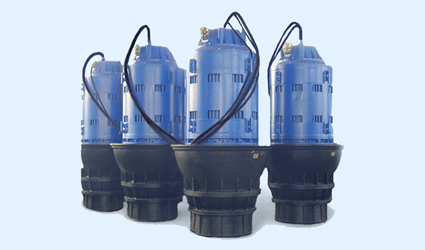
PRODUCTS
We adhere to independent innovation in science and technology and possess core technologies in the research and development, production and manufacturing of submersible pump products.
-

PROJECTS
Lanshen people are working hand in hand with friends from all walks of life to fulfill the corporate purpose of "creating a green environment and being responsible for the future", becoming the investment subject and partner of many projects, and constantly rewriting the history of China's water industry.
-

NEWS
Follow our updates in real time, from the known to the unknown, the exploration never stops
-
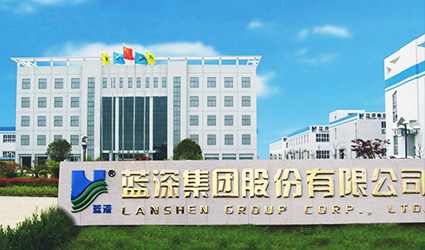
ABOUT
Founded in 1958, it is a national environmental protection enterprise and a high-tech enterprise. As a manufacturer of submersible sewage pumps and agitators

14
2026
-
03
Why ABS Sewage Pumps Are Essential for Construction Sites: A Comprehensive Guide
Why ABS Sewage Pumps Are Essential for Construction Sites
Table of Contents
- 1. Introduction to ABS Sewage Pumps
- 2. The Importance of Wastewater Management on Construction Sites
- 3. Key Features of ABS Sewage Pumps
- 4. Benefits of Using ABS Sewage Pumps
- 5. Common Applications of ABS Sewage Pumps in Construction
- 6. Maintenance Tips for ABS Sewage Pumps
- 7. Environmental Considerations and Compliance
- 8. Frequently Asked Questions (FAQs)
- 9. Conclusion
1. Introduction to ABS Sewage Pumps
ABS sewage pumps are a crucial component in the construction industry, particularly when it comes to managing wastewater. These pumps are designed to transport sewage and wastewater effectively, ensuring that construction sites remain operational and safe. Their robust construction and advanced technology make them the preferred choice for construction managers who prioritize efficiency and reliability.
2. The Importance of Wastewater Management on Construction Sites
Proper wastewater management is paramount on any construction site. Without effective sewage pumps, sites can quickly become overwhelmed with wastewater, leading to safety hazards, project delays, and environmental risks. Key reasons why effective wastewater management is critical include:
2.1 Safety
Construction sites are often busy and chaotic environments. Puddles of sewage or wastewater can pose significant slip and fall hazards, increasing the risk of accidents and injuries.
2.2 Compliance
Regulatory compliance is essential in the construction industry. Failure to manage wastewater can lead to violations of local and national environmental regulations, resulting in hefty fines and project shutdowns.
2.3 Operational Efficiency
An efficient sewage management system allows construction projects to proceed without interruption. Stagnant water can cause delays, impacting timeliness and budgets.
3. Key Features of ABS Sewage Pumps
ABS sewage pumps are distinguished by several key features that enhance their performance on construction sites:
3.1 Durable Construction
Made from high-quality materials, ABS sewage pumps are resistant to corrosion and wear, ensuring longevity even in harsh conditions.
3.2 High Capacity
These pumps are designed to handle large volumes of sewage and wastewater, making them ideal for bustling construction sites.
3.3 Versatile Installation Options
ABS sewage pumps can be installed in various configurations, including submersible and dry pit installations, providing flexibility based on site requirements.
3.4 Energy Efficiency
With advanced motor technology, ABS pumps are designed to operate efficiently, reducing energy consumption and operational costs.
4. Benefits of Using ABS Sewage Pumps
Implementing ABS sewage pumps on construction sites offers numerous benefits that contribute to the overall success of projects:
4.1 Enhanced Reliability
With a reputation for dependability, ABS pumps minimize the risk of equipment failure, allowing for consistent operation throughout the project's duration.
4.2 Improved Safety Standards
By effectively managing wastewater, ABS sewage pumps help maintain a safe working environment, reducing the likelihood of accidents.
4.3 Cost-Effectiveness
Investing in high-quality sewage pumps can save money in the long run by preventing costly project delays and fines related to regulatory breaches.
4.4 Environmental Protection
Effective wastewater management protects surrounding ecosystems by preventing contamination and ensuring compliance with environmental regulations.
5. Common Applications of ABS Sewage Pumps in Construction
ABS sewage pumps are utilized in various applications on construction sites, each highlighting their versatility and effectiveness:
5.1 Site Dewatering
During the initial stages of construction, managing groundwater and surface water is crucial. ABS pumps are used to dewater excavations, keeping sites dry and safe for workers.
5.2 Sewage and Wastewater Removal
As construction progresses, the generation of sewage and wastewater increases. ABS sewage pumps efficiently transport this waste to appropriate disposal systems.
5.3 Emergency Backup Systems
In the event of a power outage or equipment failure, ABS pumps can serve as emergency backups, ensuring that wastewater continues to be managed effectively.
5.4 Septic System Integration
For sites that utilize septic systems, ABS sewage pumps facilitate the transportation of waste to septic tanks, ensuring proper treatment and disposal.
6. Maintenance Tips for ABS Sewage Pumps
To ensure the longevity and efficiency of ABS sewage pumps, regular maintenance is essential. Here are some key maintenance tips:
6.1 Regular Inspection
Conduct routine inspections to check for wear and tear, ensuring all components are functioning correctly.
6.2 Cleaning
Periodically clean the pump and surrounding areas to prevent blockages and maintain optimal performance.
6.3 Lubrication
Ensure all moving parts are adequately lubricated to reduce friction and wear, extending the pump's lifespan.
6.4 Monitor Performance
Keep an eye on the pump's performance metrics, such as flow rate and energy consumption, to identify any anomalies early.
7. Environmental Considerations and Compliance
Environmental protection is a key focus in the construction industry. ABS sewage pumps contribute to sustainable practices in several ways:
7.1 Minimizing Pollution
By efficiently transporting wastewater, ABS pumps help prevent spills and contamination of local water bodies.
7.2 Compliance with Regulations
ABS pumps are designed to meet various environmental regulations, making it easier for construction companies to stay compliant.
7.3 Supporting Sustainable Development
Using efficient sewage management systems like ABS pumps aligns with sustainable development goals, promoting responsible resource use.
8. Frequently Asked Questions (FAQs)
8.1 What makes ABS sewage pumps different from other brands?
ABS sewage pumps are known for their durable construction, high capacity, and energy efficiency, making them a preferred choice in construction.
8.2 How often should ABS sewage pumps be maintained?
Regular maintenance should be conducted at least every six months, with more frequent checks during heavy usage periods.
8.3 Can ABS sewage pumps handle solid waste?
Yes, ABS sewage pumps are designed to handle solids typically found in sewage, but it's important to verify the specific model's capacity.
8.4 What is the average lifespan of an ABS sewage pump?
With proper maintenance, ABS sewage pumps can last anywhere from 10 to 15 years.
8.5 Are ABS sewage pumps suitable for residential use?
While primarily designed for construction sites, ABS pumps can be adapted for residential applications, especially in areas with high sewage demands.
9. Conclusion
In conclusion, ABS sewage pumps are indispensable assets for construction sites, offering reliable, efficient, and environmentally friendly solutions for wastewater management. Their robust features, combined with their versatility in various applications, make them the top choice for construction managers who seek to maintain safety and compliance while optimizing operational efficiency. Investing in ABS sewage pumps not only safeguards the construction site but also contributes to sustainable practices, ensuring projects are completed successfully and responsibly.
More information

Email: info@lanshengroup.com
Email:trade@lanshengroup.com
Tel:86-025-57507802/86-13814194132
Address: NO.305,East Xiongzhou Rd,Liuhe,Nanjing City,Jiangsu Province


Copyright©2024 Nanjing lanshen Pump Corp.LTD All rights reserved.