
-
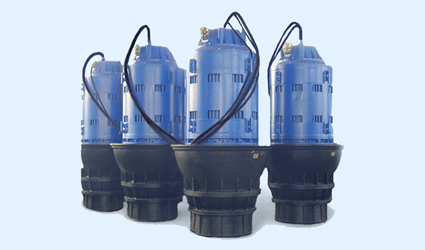
PRODUCTS
We adhere to independent innovation in science and technology and possess core technologies in the research and development, production and manufacturing of submersible pump products.
-

PROJECTS
Lanshen people are working hand in hand with friends from all walks of life to fulfill the corporate purpose of "creating a green environment and being responsible for the future", becoming the investment subject and partner of many projects, and constantly rewriting the history of China's water industry.
-

NEWS
Follow our updates in real time, from the known to the unknown, the exploration never stops
-
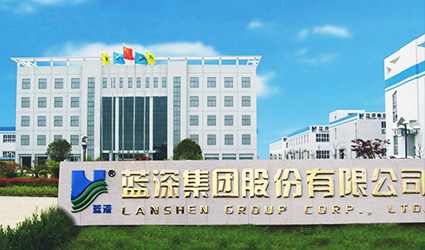
ABOUT
Founded in 1958, it is a national environmental protection enterprise and a high-tech enterprise. As a manufacturer of submersible sewage pumps and agitators

24
2026
-
03
Essential Maintenance Tips for Long-lasting Sewage Pumps
Essential Maintenance Tips for Long-lasting Sewage Pumps
Sewage pumps play a vital role in managing wastewater, making them integral to effective sanitation and environmental health. Ensuring that these pumps operate efficiently requires regular maintenance. In this guide, we will explore essential maintenance tips that can help prolong the life of your sewage pumps, minimize operational issues, and reduce repair costs.
Understanding the Role of Sewage Pumps
Sewage pumps are designed to transport wastewater from lower elevations to higher ones, preventing flooding and ensuring proper waste disposal. These pumps handle a variety of solids and liquids, making their maintenance paramount for effective operation. Regular upkeep not only ensures optimal performance but also extends the pump's lifespan.
Types of Sewage Pumps
Before diving into maintenance tips, it's crucial to understand the different types of sewage pumps:
1. Submersible Sewage Pumps
Submersible pumps operate underwater, making them ideal for applications where the pump needs to be submerged in sewage. They are efficient and require less space, but maintenance requires careful handling.
2. Effluent Pumps
Effluent pumps handle wastewater that has undergone some treatment. They are used in septic systems and are not designed for handling solids.
3. Grinder Pumps
Grinder pumps are used for applications that involve solid waste. These pumps grind solid waste into a slurry, making it easier to transport through pipes.
Creating a Regular Maintenance Schedule
Establishing a routine maintenance schedule is essential for keeping your sewage pump in good working order. Here are some practical steps to create an effective maintenance plan:
1. Monthly Visual Inspections
Conducting monthly visual inspections allows you to catch potential issues before they escalate. During these inspections, look for leaks, corrosion, or signs of wear on the pump and its components.
2. Quarterly Performance Checks
Every three months, test the pump’s performance. This includes monitoring the flow rate and checking for unusual noises. Any discrepancies should prompt further investigation.
3. Annual Professional Maintenance
While regular inspections are vital, annual professional servicing ensures that all components are functioning correctly. A qualified technician can identify issues that may not be apparent during routine checks.
Essential Maintenance Tips for Sewage Pumps
To keep your sewage pump functioning optimally, consider the following maintenance tips:
1. Keep the Pump Clean
Debris and sediment can accumulate within the pump and its surrounding area. To maintain cleanliness:
- **Clear any obstructions** from the pump area, such as leaves and mud.
- **Clean the pump casing** regularly to prevent clogs.
- **Inspect and clean the inlet screen** to ensure unobstructed flow.
2. Monitor Electrical Connections
Electrical issues are a common cause of pump failure. Regularly check:
- **Wiring and connections** for signs of wear or corrosion.
- **Power supply** to ensure the pump is receiving adequate voltage.
3. Lubricate Moving Parts
Proper lubrication is essential for the longevity of sewage pumps. Follow these guidelines:
- **Lubricate bearings** and other moving parts according to the manufacturer's recommendations.
- Use the correct type of lubricant, as specified in the pump’s manual, to avoid degradation of components.
4. Check the Float Switch
The float switch ensures the pump operates only when necessary. Periodically test the float switch by:
- **Manually raising** and **lowering** the float to confirm it activates and deactivates the pump as intended.
- Cleaning the float switch to prevent tangling or sticking.
5. Evaluate the Discharge Pipe
The discharge pipe is critical for waste management. Regularly inspect it for:
- **Blockages** or **cracks** that could impede flow.
- **Sealing issues** that might lead to leaks.
Signs Your Sewage Pump Needs Attention
Recognizing the signs of a malfunctioning sewage pump can save you from extensive damage and repair costs. Here are some common indicators:
1. Unusual Noises
If your pump is making strange noises—grinding, rattling, or clicking—it may indicate a mechanical issue. Investigate these sounds immediately.
2. Infrequent Cycling
If your pump is cycling less frequently than normal, it could be a sign of a failing float switch or other component failures.
3. Sewage Backup
A sewage backup is a critical issue that requires immediate attention. If you notice slow drainage or standing sewage, your pump may not be functioning correctly.
4. Odors
Unpleasant odors around the sewage pump area may indicate leaks or blockages. Address these issues promptly to avoid health hazards.
Emergency Procedures for Sewage Pump Failures
Despite regular maintenance, failures can happen. Knowing how to respond to emergencies can minimize damage:
1. Turn Off Power Immediately
In the event of a malfunction, shut off the power to the pump. This prevents further damage and reduces safety risks.
2. Assess the Situation
Evaluate the extent of the problem. Check for visible damage, leaks, or obstructions that need immediate attention.
3. Contact a Professional
If the issue is beyond your capability to resolve, contact a qualified technician. Prompt attention can prevent further damage and costly repairs.
Frequently Asked Questions (FAQs)
1. How often should I maintain my sewage pump?
We recommend a monthly visual inspection, quarterly performance checks, and annual professional maintenance to ensure optimal performance.
2. What are the common causes of sewage pump failure?
Common causes include electrical issues, clogged components, improper installation, and lack of maintenance.
3. Can I perform maintenance myself?
Yes, many maintenance tasks can be performed by homeowners. However, for complex issues, it’s advisable to contact a professional.
4. How can I improve the lifespan of my sewage pump?
Regular cleaning, monitoring electrical connections, and following a maintenance schedule will significantly improve the lifespan of your sewage pump.
5. What should I do if my sewage pump is making noise?
Investigate the source of the noise. It may require cleaning, lubrication, or professional repair depending on the issue.
Conclusion
Maintaining your sewage pump is essential for its performance and longevity. By following these essential maintenance tips, conducting regular inspections, and understanding the signs of potential issues, you can ensure that your sewage pump operates efficiently. Regular upkeep not only prevents costly repairs but contributes to a healthier and more functional waste management system. Invest time in maintaining your sewage pumps to protect your property and ensure peace of mind.
More information

Email: info@lanshengroup.com
Email:trade@lanshengroup.com
Tel:86-025-57507802/86-13814194132
Address: NO.305,East Xiongzhou Rd,Liuhe,Nanjing City,Jiangsu Province


Copyright©2024 Nanjing lanshen Pump Corp.LTD All rights reserved.