
-
PRODUCTS
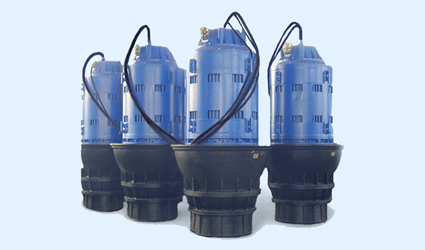
We adhere to independent innovation in science and technology and possess core technologies in the research and development, production and manufacturing of submersible pump products.
-

PROJECTS
Lanshen people are working hand in hand with friends from all walks of life to fulfill the corporate purpose of "creating a green environment and being responsible for the future", becoming the investment subject and partner of many projects, and constantly rewriting the history of China's water industry.
-

NEWS
Follow our updates in real time, from the known to the unknown, the exploration never stops
-
ABOUT
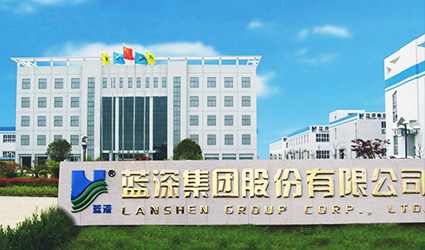
Founded in 1958, it is a national environmental protection enterprise and a high-tech enterprise. As a manufacturer of submersible sewage pumps and agitators

03
2026
-
04
How Municipal Sewage Pumps Enhance Environmental Sustainability: A Comprehensive Guide
How Municipal Sewage Pumps Enhance Environmental Sustainability
Table of Contents
- 1. Introduction to Municipal Sewage Pumps
- 2. The Importance of Sewage Management in Environmental Sustainability
- 3. Types of Municipal Sewage Pumps and Their Functions
- 4. Technological Advancements in Sewage Pumping Systems
- 5. Impact of Sewage Pumps on Water Quality and Public Health
- 6. How Sewage Pumps Help Reduce Carbon Footprint
- 7. Case Studies: Successful Implementation of Sewage Pumps
- 8. Future Innovations in Municipal Sewage Pump Technology
- 9. Frequently Asked Questions
- 10. Conclusion
1. Introduction to Municipal Sewage Pumps
Municipal sewage pumps play a pivotal role in the effective management of wastewater within urban environments. These specialized pumps are designed to transport sewage and wastewater from residential, commercial, and industrial areas to treatment facilities. By effectively managing sewage, we can mitigate pollution, enhance public health, and ensure the sustainable use of our natural resources.
In this article, we will explore the various aspects of municipal sewage pumps and their significant contributions to environmental sustainability. We will delve into the types of pumps available, the technologies that drive their efficiency, and the broader impact they have on our ecosystems.
2. The Importance of Sewage Management in Environmental Sustainability
Effective sewage management is crucial for maintaining environmental sustainability. Poorly managed sewage can lead to contaminated water sources, which adversely affects aquatic life and human health. Here are some key reasons why proper sewage management is essential:
Preservation of Water Quality
Municipal sewage pumps help prevent untreated sewage from entering rivers, lakes, and oceans. By transporting waste to treatment facilities, they ensure that harmful contaminants are removed before the water is released back into the ecosystem. This preservation of water quality is vital for drinking water sources and recreational areas.
Protection of Biodiversity
When sewage is improperly disposed of, it can lead to algal blooms and other ecological disturbances that threaten aquatic biodiversity. Municipal sewage pumps play a critical role in preventing such occurrences by ensuring that sewage is treated effectively.
Enhancing Public Health
Proper sewage management directly correlates with improved public health outcomes. By reducing the risk of waterborne diseases, municipal sewage pumps protect communities from outbreaks and health hazards associated with untreated waste.
3. Types of Municipal Sewage Pumps and Their Functions
Understanding the different types of sewage pumps used in municipal systems is key to appreciating their role in environmental sustainability. Each type has unique features and applications.
Submersible Sewage Pumps
These pumps are designed to operate while submerged in sewage. They are ideal for pumping wastewater from underground or deep sewage systems. Their compact design allows for easy installation and maintenance.
Jet Pumps
Jet pumps utilize a jet of water to draw sewage into the pump. They are often employed in areas with low sewage flow and can be used in conjunction with other pumping systems to enhance efficiency.
Centrifugal Pumps
Centrifugal pumps are the most common type of sewage pump. They operate by converting rotational energy into hydrodynamic energy, making them highly efficient for transporting liquids over long distances.
Positive Displacement Pumps
These pumps move sewage by trapping a fixed amount and forcing it through the discharge pipe. They are particularly useful for handling viscous or solid-laden waste.
4. Technological Advancements in Sewage Pumping Systems
In recent years, technological advancements have significantly improved the efficiency and sustainability of municipal sewage pumps. Here are some notable innovations:
Smart Pumping Systems
The integration of IoT (Internet of Things) technology has led to the development of smart pumping systems. These systems utilize sensors and data analytics to monitor pump performance in real-time, optimizing energy use and minimizing downtime.
Variable Frequency Drives (VFDs)
VFDs allow pumps to operate at varying speeds based on the demand for sewage transport. By adjusting the pump speed, municipalities can reduce energy consumption and extend the lifespan of their equipment.
Energy Recovery Technologies
Certain sewage pumping systems now incorporate energy recovery technologies that harness the kinetic energy from sewage flow to power other processes, further enhancing sustainability.
5. Impact of Sewage Pumps on Water Quality and Public Health
The direct correlation between well-managed sewage systems and improved water quality cannot be overstated. Here’s how municipal sewage pumps contribute to healthier communities:
Reduction of Pathogens
By effectively conveying sewage to treatment plants, municipal sewage pumps help eliminate harmful pathogens from the water supply. This mitigation is essential for protecting human health and reducing the incidence of disease.
Control of Nutrient Loads
Sewage can be rich in nutrients, particularly nitrogen and phosphorus. By transporting this waste to treatment facilities for proper processing, sewage pumps prevent nutrient overload in natural water bodies, which can lead to serious environmental problems such as eutrophication.
6. How Sewage Pumps Help Reduce Carbon Footprint
Environmental sustainability is also about minimizing the carbon footprint associated with municipal services. Here’s how sewage pumps contribute:
Energy Efficiency
Modern sewage pumps are designed to operate with maximum energy efficiency. With advancements such as variable frequency drives, municipalities can significantly reduce their energy consumption during sewage transport.
Reduced Emissions
By minimizing the need for additional transportation of sewage and optimizing existing systems, sewage pumps help to lower greenhouse gas emissions associated with waste management.
7. Case Studies: Successful Implementation of Sewage Pumps
Examining real-world examples helps illustrate the advantages of municipal sewage pumps in action:
Case Study 1: Seattle, Washington
Seattle has implemented a comprehensive sewage management system utilizing advanced sewage pumps. By investing in smart pumping technology, the city has reduced energy consumption by 25% while ensuring that wastewater is treated efficiently.
Case Study 2: Amsterdam, Netherlands
Amsterdam has integrated sustainable practices into its sewage management. The city’s use of energy recovery technologies in sewage pumps has not only improved the efficiency of wastewater treatment but also contributed to energy generation for municipal heating systems.
8. Future Innovations in Municipal Sewage Pump Technology
Looking ahead, the future of municipal sewage pumps is bright. Innovations on the horizon include:
AI-Driven Maintenance
The use of artificial intelligence in predictive maintenance will allow municipalities to address issues proactively, reducing downtime and maintenance costs.
Sustainable Materials
Future sewage pumps are likely to be constructed from more sustainable materials that enhance durability and reduce environmental impact.
9. Frequently Asked Questions
What are municipal sewage pumps?
Municipal sewage pumps are specialized pumps designed to transport sewage and wastewater from urban areas to treatment facilities.
How do sewage pumps contribute to environmental sustainability?
Sewage pumps play a crucial role in preventing water pollution, protecting public health, and reducing the carbon footprint associated with sewage management.
What types of sewage pumps are commonly used?
Common types of sewage pumps include submersible pumps, jet pumps, centrifugal pumps, and positive displacement pumps.
How can technology improve the efficiency of sewage pumps?
Technological advancements such as smart pumping systems, variable frequency drives, and energy recovery technologies enhance the efficiency and sustainability of sewage pumps.
What are the health benefits of effective sewage management?
Effective sewage management reduces the risk of waterborne diseases, protects drinking water sources, and enhances the overall health of communities.
10. Conclusion
Municipal sewage pumps are indispensable in our quest for environmental sustainability. By ensuring effective sewage management, these pumps not only protect our water quality and public health but also contribute to a greener, more sustainable future. As technology continues to evolve, we can expect even greater efficiency and innovation in sewage pumping systems, further solidifying their role as vital components of sustainable municipal infrastructure. Investing in advanced sewage pump technology is not just an operational necessity; it is a commitment to preserving our environment for generations to come.
More information

Email: info@lanshengroup.com
Email:trade@lanshengroup.com
Tel:86-025-57507802/86-13814194132
Address: NO.305,East Xiongzhou Rd,Liuhe,Nanjing City,Jiangsu Province


Copyright©2024 Nanjing lanshen Pump Corp.LTD All rights reserved.