
-
PRODUCTS
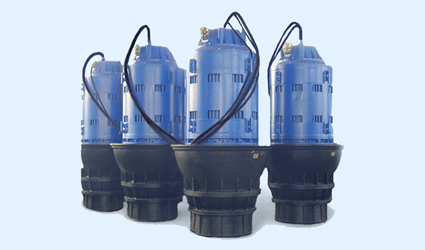
We adhere to independent innovation in science and technology and possess core technologies in the research and development, production and manufacturing of submersible pump products.
-

PROJECTS
Lanshen people are working hand in hand with friends from all walks of life to fulfill the corporate purpose of "creating a green environment and being responsible for the future", becoming the investment subject and partner of many projects, and constantly rewriting the history of China's water industry.
-

NEWS
Follow our updates in real time, from the known to the unknown, the exploration never stops
-
ABOUT
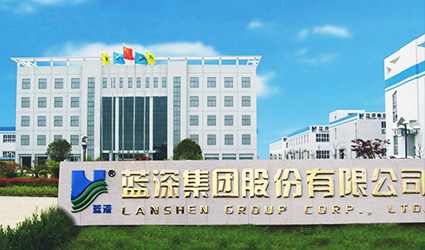
Founded in 1958, it is a national environmental protection enterprise and a high-tech enterprise. As a manufacturer of submersible sewage pumps and agitators

13
2026
-
04
Vortex Impeller Pumps: A Comprehensive Guide for Industrial Users
Vortex Impeller Pumps: A Comprehensive Guide for Industrial Users
Table of Contents
- 1. Introduction to Vortex Impeller Pumps
- 2. How Vortex Impeller Pumps Work
- 3. Applications of Vortex Impeller Pumps in Industry
- 4. Advantages of Using Vortex Impeller Pumps
- 5. Maintenance Tips for Vortex Impeller Pumps
- 6. Troubleshooting Common Issues
- 7. Comparative Analysis with Other Pump Types
- 8. Future Trends in Vortex Pump Technology
- 9. Frequently Asked Questions
- 10. Conclusion
1. Introduction to Vortex Impeller Pumps
Vortex impeller pumps have emerged as a powerful solution in various industrial applications. These pumps utilize a unique design that allows for effective fluid movement while minimizing solid particle damage. Unlike traditional centrifugal pumps, vortex pumps can handle a variety of fluids, including those containing solids, making them a versatile choice for many industries.
In this comprehensive guide, we will explore the operational principles, applications, and maintenance of vortex impeller pumps. By understanding these elements, industrial users can optimize their processes and ensure long-term reliability and efficiency.
2. How Vortex Impeller Pumps Work
Vortex impeller pumps operate on the principle of creating a vortex flow to move fluids. The impeller, typically designed in a specific shape, spins rapidly, creating a low-pressure zone at its center. This design allows for the fluid to be drawn into the pump and propelled outward.
**Key components of vortex impeller pumps include:**
- **Impeller**: The heart of the pump, responsible for moving the fluid.
- **Volute Casing**: This helps convert kinetic energy into pressure energy, enhancing the pump’s efficiency.
- **Suction and Discharge Ports**: Designed to facilitate smooth fluid entry and exit from the pump.
The vortex action not only efficiently moves the fluid but also protects the pump from wear when handling abrasive materials.
3. Applications of Vortex Impeller Pumps in Industry
Vortex impeller pumps find application in numerous industrial scenarios due to their adaptability. Some **notable applications** include:
3.1 Wastewater Treatment
These pumps are particularly effective in wastewater treatment facilities, where they handle sludge and other solid-laden liquids without clogging.
3.2 Chemical Processing
In chemical plants, vortex pumps are used to transfer chemicals safely, preventing damage from corrosive materials and maintaining the integrity of the fluid.
3.3 Food and Beverage Industry
Vortex pumps can be utilized in the food and beverage industry for transferring viscous liquids without compromising hygiene standards.
3.4 Mining and Mineral Processing
The mining industry benefits from vortex pumps in slurry transport, as they can handle high solid content without losing efficiency.
3.5 Agricultural Applications
In agriculture, vortex pumps are used for irrigation and drainage systems, effectively moving water with minimal fuss.
4. Advantages of Using Vortex Impeller Pumps
Vortex impeller pumps offer several advantages that make them a preferred choice across various industries:
4.1 Minimal Clogging
One of the standout features of vortex pumps is their ability to handle solids without clogging, ensuring continuous operation.
4.2 Enhanced Durability
The design of vortex pumps minimizes wear and tear, leading to longer service life compared to other pump types.
4.3 Energy Efficiency
Vortex pumps are designed to create significant flow with lower energy consumption, making them cost-effective in the long run.
4.4 Versatility
They can handle a wide range of fluids, including those with varying viscosities and solid content, which is crucial in diverse industrial settings.
4.5 Low Maintenance Requirements
With fewer moving parts compared to traditional pumps, vortex impeller pumps require less frequent maintenance, saving time and resources.
5. Maintenance Tips for Vortex Impeller Pumps
Proper maintenance is essential to ensure the longevity and efficiency of vortex impeller pumps. Here are **some maintenance tips** to keep in mind:
5.1 Regular Inspections
Routine inspections can help identify potential issues before they escalate. Check for any signs of wear, leaks, or unusual vibrations.
5.2 Cleaning the Impeller
Ensure the impeller is clean and free from debris. Periodic cleaning can enhance performance and prevent clogs.
5.3 Monitor Performance Metrics
Keep track of flow rates, pressure levels, and energy consumption to identify any deviations that may indicate a malfunction.
5.4 Lubrication
Make sure to lubricate any moving parts according to the manufacturer’s guidelines to reduce friction and wear.
5.5 Follow Manufacturer Guidelines
Always adhere to the manufacturer’s maintenance schedule for optimal performance and reliability.
6. Troubleshooting Common Issues
Even the most reliable vortex impeller pumps may encounter issues. Here are some common problems and their solutions:
6.1 Low Flow Rate
If the pump is not delivering the expected flow rate, check for blockages in the suction line or impeller. Ensure that the pump is adequately primed as well.
6.2 Unusual Noises
Strange noises can indicate cavitation or wear. Inspect the impeller and casing for damage and ensure proper operation.
6.3 Leakage
Leaks can occur due to worn seals or improper assembly. Inspect all seals and fittings for integrity and address any damages promptly.
6.4 Overheating
Overheating can result from inadequate lubrication or excessive wear. Ensure proper lubrication and inspect for any blockages that could cause strain on the pump.
7. Comparative Analysis with Other Pump Types
When considering vortex impeller pumps, it's beneficial to understand how they stack up against other types of pumps:
7.1 Vortex Pumps vs. Centrifugal Pumps
While centrifugal pumps are widely used for clear fluids, vortex pumps excel when handling solids and viscous materials. This makes vortex pumps more versatile in various industrial settings.
7.2 Vortex Pumps vs. Positive Displacement Pumps
Positive displacement pumps are effective for precise flow control but can struggle with varying fluid viscosities. Vortex pumps, however, handle diverse fluids with ease, providing flexibility in applications.
8. Future Trends in Vortex Pump Technology
As technology evolves, vortex impeller pumps are set to experience advancements that will enhance their functionality and efficiency:
8.1 Smart Pump Technology
The integration of IoT in vortex pumps will allow for real-time monitoring and predictive maintenance, ensuring optimal performance.
8.2 Eco-Friendly Materials
The push for sustainability is driving the development of eco-friendly materials for pump construction, reducing environmental impact.
8.3 Enhanced Efficiency Designs
Manufacturers are focusing on improving the design and efficiency of vortex pumps to meet increasing energy standards and reduce operational costs.
9. Frequently Asked Questions
9.1 What materials are vortex impeller pumps made from?
Vortex impeller pumps can be constructed from various materials, including stainless steel, cast iron, and plastic, depending on the application and fluid characteristics.
9.2 How do I determine the right size of a vortex pump for my application?
To determine the proper size, consider factors such as the fluid type, viscosity, flow rate requirements, and the total head needed for your system.
9.3 Can vortex pumps be used for both liquids and slurries?
Yes, vortex impeller pumps are versatile and can handle both liquids and slurries, making them suitable for various industrial applications.
9.4 What is the typical lifespan of a vortex impeller pump?
The lifespan can vary based on usage, maintenance, and operating conditions, but with proper care, vortex pumps can last many years.
9.5 Are vortex pumps energy efficient?
Yes, vortex pumps are designed for energy efficiency, providing significant flow rates with lower energy consumption compared to traditional pump types.
10. Conclusion
Vortex impeller pumps represent a significant advancement in pump technology, offering unique advantages for various industrial applications. Their ability to handle solids, energy efficiency, and durable design make them a smart choice for professionals seeking reliability and performance. By understanding their functionality, applications, and maintenance needs, industrial users can leverage vortex pumps to optimize their operations and achieve greater efficiency. As technology continues to evolve, we can expect even more innovations in vortex pump design, ensuring they remain at the forefront of industrial fluid handling solutions.
More information

Email: info@lanshengroup.com
Email:trade@lanshengroup.com
Tel:86-025-57507802/86-13814194132
Address: NO.305,East Xiongzhou Rd,Liuhe,Nanjing City,Jiangsu Province


Copyright©2024 Nanjing lanshen Pump Corp.LTD All rights reserved.