
-
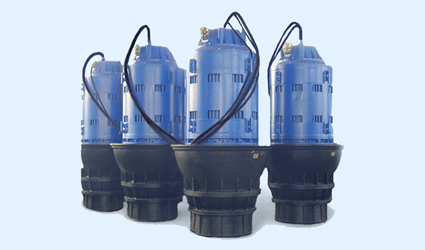
PRODUCTS
We adhere to independent innovation in science and technology and possess core technologies in the research and development, production and manufacturing of submersible pump products.
-

PROJECTS
Lanshen people are working hand in hand with friends from all walks of life to fulfill the corporate purpose of "creating a green environment and being responsible for the future", becoming the investment subject and partner of many projects, and constantly rewriting the history of China's water industry.
-

NEWS
Follow our updates in real time, from the known to the unknown, the exploration never stops
-
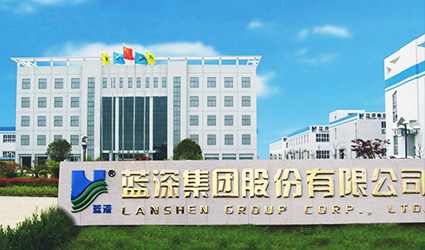
ABOUT
Founded in 1958, it is a national environmental protection enterprise and a high-tech enterprise. As a manufacturer of submersible sewage pumps and agitators

18
2026
-
04
Understanding Sewage Pumps: Essential Knowledge for Industrial Applications
There are two primary types of sewage pumps: submersible and pedestal. Submersible pumps operate while submerged in the fluid, which helps them to manage larger volumes of wastewater efficiently. These pumps are typically sealed to prevent water from entering the motor and can be used in environments where space is limited. On the other hand, pedestal pumps are positioned above the sewage pit, drawing waste upward. They are easier to maintain since the motor remains out of the liquid.
The mechanism of sewage pumps involves the use of impellers and volutes to create flow. The impeller is designed to push the wastewater through the system, while the volute helps to convert the kinetic energy of the fluid into pressure. This process is crucial for overcoming the gravitational pull and transporting sewage to treatment facilities.
When selecting a sewage pump, several factors should be considered. One of the most critical aspects is the pump's capacity, which typically depends on the volume of sewage that needs to be handled. Additionally, the material of the pump is important as it must be resistant to corrosive substances often found in sewage. The design of the pump should also cater to the type of solids it may encounter, ensuring it can handle debris without clogging.
Installation of sewage pumps requires careful planning to ensure optimal performance. This includes determining the correct placement of the pump to maximize its efficiency and considering the necessary piping and electrical connections. Proper installation also involves adhering to local regulations regarding wastewater management.
Regular maintenance is essential for sewage pumps to ensure their longevity and effectiveness. This includes checking for clogs, monitoring the motor's performance, and inspecting seals for wear and tear. A proactive maintenance schedule can prevent costly downtimes and ensure that the pump operates smoothly.
In conclusion, sewage pumps are indispensable in managing wastewater effectively within industrial settings. By understanding their types, mechanisms, and maintenance needs, businesses can ensure that they are equipped to handle sewage efficiently and safely. Investing in the right sewage pump can lead to significant operational advantages and enhance overall productivity.
More information

Email: info@lanshengroup.com
Email:trade@lanshengroup.com
Tel:86-025-57507802/86-13814194132
Address: NO.305,East Xiongzhou Rd,Liuhe,Nanjing City,Jiangsu Province


Copyright©2024 Nanjing lanshen Pump Corp.LTD All rights reserved.