
-
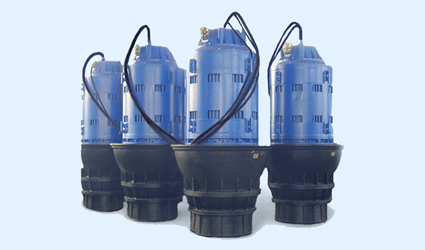
PRODUCTS
We adhere to independent innovation in science and technology and possess core technologies in the research and development, production and manufacturing of submersible pump products.
-

PROJECTS
Lanshen people are working hand in hand with friends from all walks of life to fulfill the corporate purpose of "creating a green environment and being responsible for the future", becoming the investment subject and partner of many projects, and constantly rewriting the history of China's water industry.
-

NEWS
Follow our updates in real time, from the known to the unknown, the exploration never stops
-
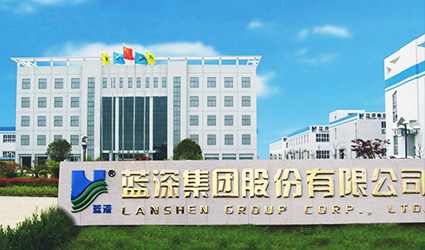
ABOUT
Founded in 1958, it is a national environmental protection enterprise and a high-tech enterprise. As a manufacturer of submersible sewage pumps and agitators

27
2025
-
07
How Submersible Mixed Flow Pumps Enhance Fluid Dynamics in Industry
How Submersible Mixed Flow Pumps Enhance Fluid Dynamics in Industry
Table of Contents
- Introduction to Submersible Mixed Flow Pumps
- What Are Submersible Mixed Flow Pumps?
- Working Principle of Mixed Flow Pumps
- Advantages of Submersible Mixed Flow Pumps
- Applications in Various Industries
- Comparison with Other Pump Types
- Maintenance and Reliability Considerations
- Future Trends in Pump Technology
- Conclusion
- FAQs about Submersible Mixed Flow Pumps
Introduction to Submersible Mixed Flow Pumps
Submersible mixed flow pumps play a pivotal role in enhancing fluid dynamics across numerous industrial sectors. These pumps are engineered to operate efficiently while submerged in the fluid they are pumping, making them ideal for various applications, including wastewater treatment, flood control, and industrial processing. Their unique design allows for a combination of axial and radial flow, optimizing the movement of fluids while maintaining energy efficiency.
What Are Submersible Mixed Flow Pumps?
Submersible mixed flow pumps are specialized devices designed to transport fluids from one location to another while submerged in the fluid. Unlike traditional pumps that operate above the liquid level, these pumps are fully immersed, which allows for quieter operation and reduced risk of cavitation. They are particularly effective in handling large volumes of water or other liquids with varying viscosities.
The design of a submersible mixed flow pump typically includes an impeller that facilitates fluid movement. This impeller allows for both axial and radial flow, creating a hybrid operation that maximizes efficiency. Additionally, these pumps are often equipped with protective casings to prevent damage and ensure longevity in harsh environments.
Working Principle of Mixed Flow Pumps
The working principle of submersible mixed flow pumps revolves around the interaction of the impeller and the volute. As the motor drives the impeller, it generates centrifugal force, propelling the liquid outward. At the same time, the design of the impeller allows for an axial component of flow, meaning that the fluid moves both horizontally and vertically.
This dual flow mechanism is particularly advantageous in applications where a steady and consistent flow rate is required. The mixed flow design allows for high head capabilities while maintaining a relatively low energy consumption, making it an efficient choice for industries that rely on fluid transport.
Advantages of Submersible Mixed Flow Pumps
Submersible mixed flow pumps offer numerous advantages that enhance their appeal across various industrial applications:
1. Energy Efficiency
These pumps are designed to operate with optimal energy consumption, which significantly reduces operational costs. Their unique flow characteristics allow them to move larger volumes of liquids at lower energy inputs.
2. Space-Saving Design
Since submersible mixed flow pumps are installed underwater, they require less surface space compared to conventional pumps. This is particularly beneficial in confined industrial settings.
3. Reduced Noise Levels
Being submerged in the fluid they are pumping reduces noise pollution, creating a more favorable working environment in industrial settings.
4. Versatile Applications
Submersible mixed flow pumps are suitable for a variety of applications, including handling slurries, sewage, and even light hydrocarbons, making them incredibly versatile.
5. Reliability and Durability
These pumps are built to withstand harsh conditions, including corrosive environments and varying temperatures, ensuring long-lasting performance with minimal maintenance.
Applications in Various Industries
Submersible mixed flow pumps find applications in a wide range of industries, each benefiting from their unique characteristics:
1. Wastewater Treatment Plants
In wastewater treatment, these pumps efficiently handle large volumes of sewage and effluent, ensuring effective treatment processes.
2. Mining Industry
In mining operations, they are used for dewatering, helping to manage groundwater levels and keep mining sites operational and safe.
3. Agriculture
In agriculture, submersible mixed flow pumps are often utilized for irrigation purposes, providing a reliable source of water for crop management.
4. Flood Control
These pumps play a critical role in flood management systems, enabling rapid water removal during heavy rainfall or flooding events.
5. Industrial Processing
Manufacturing and processing facilities use these pumps to manage various liquids and slurries, enhancing productivity and efficiency.
Comparison with Other Pump Types
When evaluating submersible mixed flow pumps, it's essential to compare them with other pump types:
1. Centrifugal Pumps
While both centrifugal and mixed flow pumps utilize rotational energy to move fluids, mixed flow pumps can handle higher pressures and provide a combination of axial and radial flow.
2. Submersible Sump Pumps
Submersible sump pumps are designed primarily for water removal, whereas mixed flow pumps can handle more viscous fluids and are often used in industrial applications.
3. Vertical Turbine Pumps
Vertical turbine pumps are effective for deep well applications, but submersible mixed flow pumps offer better efficiency and versatility in varied fluid management scenarios.
Maintenance and Reliability Considerations
To ensure optimal performance and longevity of submersible mixed flow pumps, regular maintenance is crucial. This includes:
1. Regular Inspections
Routine inspections can help identify wear and tear on components, ensuring that any issues are addressed before they lead to failure.
2. Lubrication
Proper lubrication of moving parts is essential to minimize friction and wear, thereby extending the life of the pump.
3. Cleaning
Keeping the pump free from debris and build-up is important to maintain flow efficiency and prevent clogging.
4. Monitoring Performance
Utilizing monitoring systems can help track performance metrics, allowing for proactive maintenance and reducing downtime.
Future Trends in Pump Technology
As technology advances, we anticipate several trends that will impact the future of submersible mixed flow pumps:
1. Smart Pumping Solutions
Integration of IoT technology will enable real-time monitoring and data analysis, enhancing operational efficiency.
2. Improved Materials
Advancements in materials science may lead to more durable and corrosion-resistant pump components, extending their lifespan.
3. Energy-Efficient Designs
Future designs will likely focus on maximizing energy efficiency, further reducing operational costs and environmental impact.
Conclusion
Submersible mixed flow pumps are essential components in enhancing fluid dynamics across various industrial applications. Their unique design, operational efficiency, and versatility make them a preferred choice for industries ranging from wastewater treatment to agriculture. As technology evolves, these pumps will continue to play a significant role in optimizing fluid transport and management, contributing to efficiency and sustainability in industrial processes.
FAQs about Submersible Mixed Flow Pumps
1. What is the primary application of submersible mixed flow pumps?
The primary application of submersible mixed flow pumps includes wastewater treatment, flood control, mining, and agricultural irrigation.
2. How do submersible mixed flow pumps differ from centrifugal pumps?
Submersible mixed flow pumps combine axial and radial flow, allowing them to handle higher pressures and varying fluid types more effectively than standard centrifugal pumps.
3. What maintenance practices are essential for these pumps?
Essential maintenance practices include regular inspections, lubrication of moving parts, cleaning to prevent debris buildup, and monitoring performance metrics.
4. Are submersible mixed flow pumps suitable for sewage applications?
Yes, submersible mixed flow pumps are highly effective in managing sewage and effluent in wastewater treatment facilities.
5. What are the future trends in pump technology?
Future trends include smart pumping solutions, improved materials for durability, and designs focused on energy efficiency.
More information

Email: info@lanshengroup.com
Email:trade@lanshengroup.com
Tel:86-025-57507802/86-13814194132
Address: NO.305,East Xiongzhou Rd,Liuhe,Nanjing City,Jiangsu Province


Copyright©2024 Nanjing lanshen Pump Corp.LTD All rights reserved.