
-
PRODUCTS
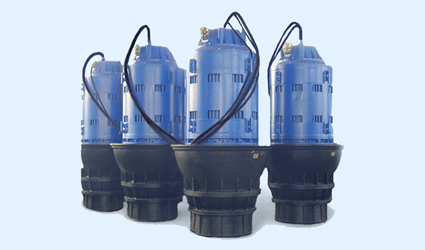
We adhere to independent innovation in science and technology and possess core technologies in the research and development, production and manufacturing of submersible pump products.
-

PROJECTS
Lanshen people are working hand in hand with friends from all walks of life to fulfill the corporate purpose of "creating a green environment and being responsible for the future", becoming the investment subject and partner of many projects, and constantly rewriting the history of China's water industry.
-

NEWS
Follow our updates in real time, from the known to the unknown, the exploration never stops
-
ABOUT
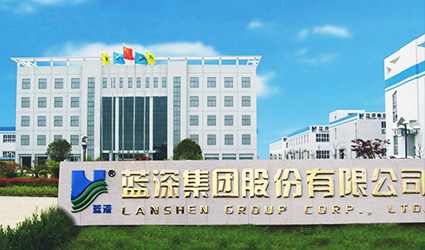
Founded in 1958, it is a national environmental protection enterprise and a high-tech enterprise. As a manufacturer of submersible sewage pumps and agitators

29
2025
-
10
Submersible Sewage Pumps: Essential Solutions for Efficient Wastewater Management
Wastewater management is a critical component of urban infrastructure, industrial operations, and environmental protection. As cities expand and industries grow, the demand for reliable, efficient, and durable pumping solutions has never been higher. Among these solutions, submersible sewage pumps play a vital role, providing robust, long-lasting performance for the transfer of wastewater, sludge, and solids. These pumps are indispensable in municipal sewage systems, industrial facilities, and residential complexes, offering an effective means of maintaining sanitation and preventing environmental contamination.
Overview of Submersible Sewage Pumps
A submersible sewage pump is designed to operate while fully submerged in the liquid it pumps. Unlike traditional centrifugal pumps, submersible models are installed directly in wastewater, eliminating the need for priming and reducing the risk of pump cavitation. They are specifically engineered to handle a wide range of fluids containing solids, sludge, and other debris, making them ideal for sewage treatment plants, stormwater management, and industrial wastewater processes.
Constructed from high-strength materials such as stainless steel, cast iron, or corrosion-resistant alloys, submersible sewage pumps offer exceptional durability and long service life. The impellers are designed to handle large particles and viscous materials without clogging, ensuring consistent flow rates and reliable operation. Additionally, these pumps are equipped with seals and bearings that withstand harsh operating conditions, including abrasive or corrosive fluids, high temperatures, and continuous operation.
Key Features and Benefits
Efficient Wastewater Handling: Submersible sewage pumps can process high volumes of wastewater and solids, maintaining smooth and uninterrupted operation even in heavy-duty conditions. This ensures that municipal and industrial sewage systems remain functional and efficient.
Corrosion and Abrasion Resistance: Built from durable, corrosion-resistant materials, these pumps can handle aggressive chemicals and abrasive solids commonly found in wastewater streams. This extends service life and reduces maintenance costs.
Quiet and Reliable Operation: Because the pump operates submerged, noise levels are significantly reduced compared to dry-installed pumps. Additionally, submersible pumps are designed for continuous operation with minimal risk of failure, providing peace of mind for operators.
Energy Efficiency: Modern submersible sewage pumps are engineered for optimized hydraulic performance, reducing energy consumption while maintaining high flow rates. This efficiency contributes to lower operational costs and environmental sustainability.
Versatility and Flexibility: Available in various sizes, power ratings, and impeller configurations, submersible sewage pumps can be tailored to specific applications. From small residential pumping stations to large industrial treatment plants, these pumps provide reliable solutions across diverse environments.
Applications in Municipal and Industrial Settings
In municipal sewage systems, submersible pumps are crucial for transferring wastewater from residential, commercial, and industrial areas to treatment facilities. They help prevent flooding, control odors, and maintain public health standards. The ability to handle solids and sludge ensures that pumps can manage both routine flows and emergency surges, such as during heavy rainfall.
In industrial settings, submersible sewage pumps manage wastewater from manufacturing processes, chemical plants, food processing facilities, and more. These pumps can handle liquids containing large particles, fibrous materials, or abrasive sludge, making them indispensable for maintaining operational efficiency and regulatory compliance.
Maintenance and Longevity
One of the key advantages of submersible sewage pumps is their low maintenance requirements. Regular inspection of seals, bearings, and impellers is typically sufficient to ensure long-term performance. Many models are designed with modular components, allowing for quick and cost-effective replacement of worn parts. Additionally, advanced monitoring systems can provide real-time data on pump performance, enabling predictive maintenance and minimizing downtime.
Technological Advancements
Recent advancements in submersible pump technology have further enhanced their performance and reliability. Innovations include smart sensors for monitoring flow rates, temperature, and vibration, as well as variable frequency drives (VFDs) for optimized energy consumption. Materials engineering has also improved, with the development of highly corrosion- and abrasion-resistant alloys, composites, and coatings that extend the operational lifespan of pumps in demanding environments.
Furthermore, some modern submersible pumps are designed with integrated grinding or macerating mechanisms, allowing them to handle solids more efficiently and reduce the risk of clogging. This is particularly beneficial in municipal systems where unexpected debris can enter the pump.
Environmental and Sustainability Considerations
Submersible sewage pumps contribute to environmental protection by efficiently moving wastewater to treatment facilities, reducing the risk of untreated sewage entering natural water bodies. Energy-efficient designs help minimize the carbon footprint of wastewater operations, while durable construction reduces the need for frequent replacements and associated waste. Properly maintained pumps also prevent leaks and spills that could harm surrounding ecosystems.
Choosing the Right Submersible Sewage Pump
Selecting the appropriate submersible sewage pump involves consideration of several factors:
- Flow Rate and Head: Determine the volume of wastewater and the required lifting height to ensure proper sizing.
- Fluid Composition: Consider solids size, sludge consistency, and potential corrosive chemicals in the fluid.
- Material Compatibility: Choose pump materials that resist corrosion and abrasion from the specific wastewater type.
- Power Requirements: Evaluate motor power and efficiency to match system demands.
- Maintenance Access: Consider ease of access for inspection and service, as well as the availability of spare parts.
Conclusion
Submersible sewage pumps are indispensable components of modern wastewater management systems. Their ability to efficiently handle high volumes of wastewater, sludge, and solids, combined with durability, corrosion resistance, and low maintenance, makes them essential for both municipal and industrial applications. With technological advancements enhancing energy efficiency, monitoring, and operational flexibility, these pumps continue to provide reliable and sustainable solutions for urban infrastructure and industrial operations worldwide.
For municipalities, industries, and residential complexes, investing in high-quality submersible sewage pumps ensures continuous operation, environmental protection, and long-term cost savings, establishing them as a cornerstone of modern wastewater management practices.
More information

Email: info@lanshengroup.com
Email:trade@lanshengroup.com
Tel:86-025-57507802/86-13814194132
Address: NO.305,East Xiongzhou Rd,Liuhe,Nanjing City,Jiangsu Province


Copyright©2024 Nanjing lanshen Pump Corp.LTD All rights reserved.