
-
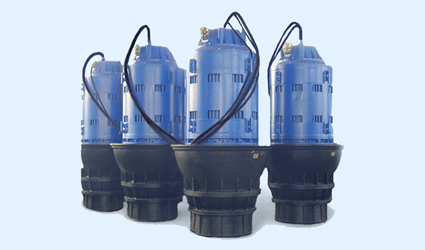
PRODUCTS
We adhere to independent innovation in science and technology and possess core technologies in the research and development, production and manufacturing of submersible pump products.
-

PROJECTS
Lanshen people are working hand in hand with friends from all walks of life to fulfill the corporate purpose of "creating a green environment and being responsible for the future", becoming the investment subject and partner of many projects, and constantly rewriting the history of China's water industry.
-

NEWS
Follow our updates in real time, from the known to the unknown, the exploration never stops
-
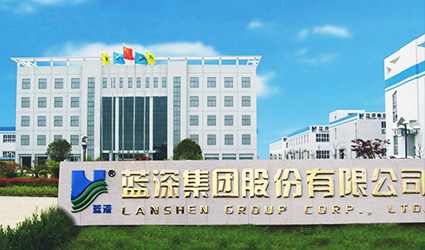
ABOUT
Founded in 1958, it is a national environmental protection enterprise and a high-tech enterprise. As a manufacturer of submersible sewage pumps and agitators

15
2025
-
09
Key Considerations When Installing Your Vertical Sewage Pump: A Comprehensive Guide
Key Considerations When Installing Your Vertical Sewage Pump
Introduction
Installing a vertical sewage pump is a critical task that demands careful planning and execution. These pumps are designed to handle sewage and wastewater efficiently, ensuring smooth operations in various settings, from residential to industrial applications. In this comprehensive guide, we will explore the key considerations for a successful installation, including pump selection, site preparation, piping requirements, and maintenance tips.
Understanding Vertical Sewage Pumps
Vertical sewage pumps are specifically engineered to handle the transportation of wastewater and sewage materials. Unlike horizontal pumps, vertical pumps are designed to sit upright, which can save space and allow for easier installation in confined areas. Before we delve into the installation process, it’s essential to understand the components and functionality of these pumps.
Components of a Vertical Sewage Pump
Vertical sewage pumps consist of several key components:
- **Impeller**: The impeller is the heart of the pump, responsible for moving the sewage. It is designed to handle solid materials without clogging.
- **Motor**: The motor drives the impeller, and it can be either submersible or non-submersible, depending on the installation requirements.
- **Pump Casing**: This encases the impeller and helps direct the flow of sewage into the discharge pipe.
Types of Vertical Sewage Pumps
There are several types of vertical sewage pumps, including but not limited to:
- **Submersible Pumps**: These pumps operate underwater, making them ideal for applications where the pump must remain submerged.
- **Dry Pit Pumps**: These pumps are installed above the water level and are typically used in applications where debris handling is necessary.
Key Considerations for Installation
When installing a vertical sewage pump, there are several vital factors to consider that can affect its efficiency and longevity.
1. Site Assessment and Preparation
Before installation, conduct a thorough site assessment. Assess factors such as:
- **Space Availability**: Ensure that there is adequate space for the pump, including room for maintenance and access.
- **Accessibility**: The installed pump should be easy to reach for regular checks and servicing.
- **Ground Conditions**: Evaluate soil type and stability. A solid, level foundation is crucial for proper installation.
2. Selecting the Right Pump Size and Type
Choosing the appropriate pump size is paramount. Factors to consider include:
- **Flow Rate Requirements**: Calculate the required flow rate based on the volume of sewage to be handled.
- **Total Dynamic Head (TDH)**: This is the total height that the pump must move the sewage, which includes the vertical lift and any friction losses in the piping system.
- **Solid Handling Capacity**: Ensure the pump can handle solids and debris present in the sewage.
3. Proper Mounting and Alignment
Proper mounting is essential for optimal pump performance.
- **Alignment**: Ensure that the pump is perfectly aligned with the motor and discharge piping to avoid undue stress and wear.
- **Mounting Techniques**: Use appropriate mounting techniques including the use of anchor bolts and vibration isolation pads to minimize vibrations that could lead to damage.
4. Piping and Accessories
The piping system plays a crucial role in pump performance.
- **Pipe Material**: Select materials that can withstand corrosive sewage environments, such as PVC or ductile iron.
- **Pipe Size**: Ensure the pipe size matches the pump discharge and is adequate to handle the flow rate without causing excessive frictional losses.
- **Valves**: Install check valves and isolation valves to control flow and facilitate maintenance.
5. Electrical and Control Systems
The electrical setup is critical for the proper operation of your sewage pump.
- **Power Supply**: Ensure that the pump is connected to a reliable power supply that meets the motor's voltage requirements.
- **Control Panels**: Use control panels with features such as float switches or level sensors for automated operation.
- **Safety Measures**: Incorporate circuit breakers or overload protection to prevent electrical hazards.
Testing and Commissioning Your Vertical Sewage Pump
After installation, testing is crucial to ensure everything functions as intended.
1. Initial Checks
Perform initial checks including:
- **Leak Tests**: Inspect all joints and connections for potential leaks.
- **Power Checks**: Ensure the electrical connections are secure and functioning.
2. Performance Testing
Conduct performance tests to verify that the pump operates at the desired flow rate and pressure.
- **Flow Rate Measurement**: Use flow meters to measure the actual flow against the expected values.
- **Vibration and Noise Levels**: Monitor these parameters to ensure they remain within acceptable limits.
Maintenance Considerations for Vertical Sewage Pumps
Regular maintenance is essential for the longevity of your vertical sewage pump.
1. Scheduled Inspections
Create a schedule for regular inspections to check for wear and tear, especially on:
- **Impeller and Motor**: Look for signs of wear that could impact performance.
- **Seals and Gaskets**: Examine seals for leaks and replace them as necessary.
2. Cleaning and Debris Removal
Keep the pump and surrounding area clean to prevent blockages and ensure smooth operation.
- **Debris Checks**: Regularly check for and remove any debris that may accumulate around the pump.
Conclusion
Installing a vertical sewage pump involves multiple key considerations that are vital for ensuring safe and effective operation. From assessing site conditions and selecting the right pump to proper installation techniques and maintenance practices, each step plays a crucial role in the performance of the pumping system. By following this comprehensive guide, both industry professionals and DIY enthusiasts can confidently navigate the installation process, ensuring that their vertical sewage pumps operate efficiently for years to come.
FAQs
1. What is the primary advantage of vertical sewage pumps over horizontal ones?
Vertical sewage pumps have a smaller footprint and are often used in areas with limited space. They can also handle larger solids due to their design.
2. How often should I perform maintenance on my vertical sewage pump?
Regular maintenance should be conducted at least once every six months, but more frequent inspections may be needed based on usage.
3. Can I install a vertical sewage pump myself?
While DIY installation is possible, it is recommended to consult with a professional to ensure safety and compliance with local regulations.
4. What should I do if my sewage pump is not working properly?
Check the power supply, inspect for clogs or debris, and ensure that all components are functioning correctly. If issues persist, consult a professional.
5. How can I improve the efficiency of my vertical sewage pump?
Regular maintenance, appropriate sizing, and proper alignment can significantly enhance the efficiency of your pump system.
More information

Email: info@lanshengroup.com
Email:trade@lanshengroup.com
Tel:86-025-57507802/86-13814194132
Address: NO.305,East Xiongzhou Rd,Liuhe,Nanjing City,Jiangsu Province


Copyright©2024 Nanjing lanshen Pump Corp.LTD All rights reserved.