
-
PRODUCTS
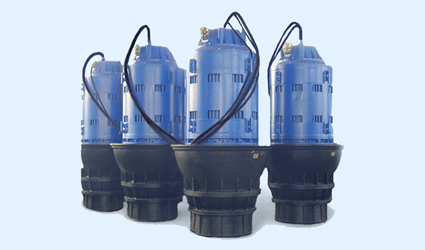
We adhere to independent innovation in science and technology and possess core technologies in the research and development, production and manufacturing of submersible pump products.
-

PROJECTS
Lanshen people are working hand in hand with friends from all walks of life to fulfill the corporate purpose of "creating a green environment and being responsible for the future", becoming the investment subject and partner of many projects, and constantly rewriting the history of China's water industry.
-

NEWS
Follow our updates in real time, from the known to the unknown, the exploration never stops
-
ABOUT
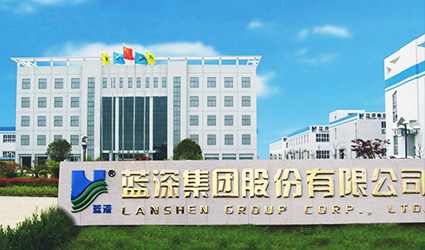
Founded in 1958, it is a national environmental protection enterprise and a high-tech enterprise. As a manufacturer of submersible sewage pumps and agitators

25
2025
-
10
Why Vortex Impeller Pumps Are Essential for Industrial Applications
Why Vortex Impeller Pumps Are Essential for Industrial Applications
Introduction to Vortex Impeller Pumps
Vortex impeller pumps are innovative devices that play a critical role in many industrial applications. They are designed to handle various fluids, including slurries, viscous liquids, and liquids with suspended solids. With their unique design and operational capabilities, vortex impeller pumps offer several advantages over traditional pumping systems, making them indispensable in various industries.
Understanding Vortex Impeller Pumps
To appreciate the significance of vortex impeller pumps, it is essential to understand their operational mechanism. The vortex impeller is designed to create a vortex flow pattern, which allows for the efficient movement of fluids. This design minimizes turbulence and reduces the risk of cavitation, a common issue in many pumping systems.
The Mechanism Behind Vortex Impeller Pumps
Vortex impeller pumps function by utilizing an impeller that generates a vortex motion in the fluid. This motion creates a low-pressure area in the center of the pump, allowing the fluid to be drawn in from the inlet and then expelled at higher pressure through the outlet. The design promotes smooth flow, making vortex pumps ideal for handling sensitive materials that require gentle handling.
Key Components of Vortex Impeller Pumps
- **Impeller**: The heart of the pump, responsible for creating the vortex and moving the fluid.
- **Volute**: A casing that directs the flow and helps enhance the pump’s efficiency.
- **Inlet/Outlet Ports**: These are designed to facilitate the entry and exit of the fluid.
- **Motor**: Powers the pump and can vary in size depending on the application requirements.
Benefits of Vortex Impeller Pumps
Vortex impeller pumps offer numerous advantages, making them suitable for a wide range of applications in the industrial sector.
1. High Efficiency in Handling Fluids
One of the primary benefits of vortex impeller pumps is their high efficiency in moving fluids. The unique design reduces energy consumption while maintaining optimal flow rates. This efficiency translates into cost savings over time, particularly for industries that rely on large volumes of fluid movement.
2. Reduced Risk of Cavitation
Cavitation can severely damage traditional pumps, leading to increased maintenance costs and downtime. Vortex impeller pumps are designed to minimize cavitation risks thanks to their ability to maintain a stable flow pattern. This characteristic enhances the longevity of the pump and ensures reliable performance.
3. Versatility Across Applications
Vortex impeller pumps are versatile and can handle various fluids, including those with solids, slurries, and viscous liquids. This versatility makes them ideal for numerous applications, from wastewater treatment to chemical processing.
4. Low Maintenance Requirements
Due to their robust construction and operational efficiency, vortex impeller pumps typically require less maintenance than other pump types. This reduces operating costs and allows for uninterrupted production schedules in industrial settings.
5. Ability to Handle Solids and Slurries
Unlike conventional pumps, vortex impeller pumps are designed to handle fluids with suspended solids and slurries. Their unique design minimizes the risk of clogging and ensures continuous operation even in challenging environments.
Applications of Vortex Impeller Pumps in Various Industries
Vortex impeller pumps are utilized in multiple industrial sectors. Below are some of the most common applications highlighting their critical role.
1. Wastewater Treatment
In wastewater treatment facilities, vortex impeller pumps are essential. They efficiently transport sludge and other solids, ensuring effective treatment processes. Their ability to handle abrasive materials also makes them suitable for harsh environments.
2. Chemical Processing
Chemical industries often require pumps that can handle corrosive fluids and materials. Vortex impeller pumps meet these demands with durability and reliability, making them ideal for transporting chemicals in various stages of processing.
3. Food and Beverage Industry
In the food and beverage industry, maintaining product integrity is vital. Vortex impeller pumps can handle viscous food products without damaging them, making them suitable for transferring sauces, purees, and other sensitive materials.
4. Mining and Mineral Processing
Mining operations often involve moving slurries and abrasive materials. Vortex impeller pumps are designed to handle such challenging conditions, ensuring efficient and effective transport of materials, which is crucial for minimizing downtime.
5. Oil and Gas Industry
In the oil and gas industry, vortex impeller pumps are often used for transferring crude oil and other petroleum products. Their ability to handle viscous fluids and operate under varying pressure conditions makes them indispensable in this field.
Choosing the Right Vortex Impeller Pump
Selecting the appropriate vortex impeller pump for your specific application is crucial for maximizing efficiency and performance.
1. Assessing Fluid Characteristics
Before selecting a pump, it’s essential to understand the characteristics of the fluid you’ll be pumping. Consider viscosity, temperature, and the presence of solids. These factors will guide you in choosing a pump designed to handle your specific fluid type.
2. Understanding Pump Specifications
Reviewing the specifications of different vortex impeller pumps is vital. Look for factors such as flow rate, pressure rating, and material compatibility. Selecting a pump that aligns with your operational needs will ensure optimal performance.
3. Considering Energy Efficiency
Energy efficiency is a critical factor in pump selection. Look for pumps designed to minimize energy consumption while maintaining performance. This will not only reduce operational costs but also contribute to sustainability efforts.
4. Consulting with Experts
If you’re unsure about which pump to choose, consulting with industry experts or suppliers can provide valuable insights. They can offer recommendations based on your specific application and operational requirements.
Maintenance Tips for Vortex Impeller Pumps
Proper maintenance is crucial for ensuring the longevity and efficiency of vortex impeller pumps.
1. Regular Inspections
Conduct regular inspections to check for wear and tear, leaks, and overall performance. Early detection of issues can prevent costly repairs and downtime.
2. Maintain Cleanliness
Keep the pump and its surrounding area clean. Accumulated debris can impact performance and lead to blockages. Regular cleaning will help maintain optimal operation.
3. Monitor Operational Parameters
Keep an eye on operational parameters like flow rate and pressure. Any unusual changes could indicate underlying issues that need to be addressed promptly.
4. Lubricate Moving Parts
Ensure that all moving parts are adequately lubricated to minimize friction and wear. Follow the manufacturer’s guidelines for lubrication intervals and types.
5. Follow Manufacturer Guidelines
Always adhere to the manufacturer’s maintenance recommendations. This includes routine service checks and replacement of parts as needed.
FAQs About Vortex Impeller Pumps
1. What materials can vortex impeller pumps handle?
Vortex impeller pumps can handle a wide range of materials, including slurries, viscous liquids, and fluids with suspended solids.
2. How do vortex impeller pumps reduce cavitation?
The design of vortex impeller pumps minimizes turbulence and maintains stable flow patterns, which helps to reduce the risk of cavitation.
3. Are vortex impeller pumps suitable for corrosive liquids?
Yes, vortex impeller pumps can be constructed from materials that are resistant to corrosion, making them suitable for transporting corrosive liquids.
4. What industries commonly use vortex impeller pumps?
Common industries include wastewater treatment, chemical processing, food and beverage, mining, and oil and gas.
5. How can I ensure the longevity of my vortex impeller pump?
Regular inspections, maintaining cleanliness, monitoring operational parameters, lubricating moving parts, and following manufacturer guidelines can help ensure the longevity of your pump.
Conclusion
Vortex impeller pumps are essential components in various industrial applications, offering high efficiency, versatility, and reduced maintenance requirements. Their unique design allows for the effective handling of complex fluids, making them indispensable in numerous sectors. By understanding their benefits, applications, and maintenance needs, industries can optimize their processes and ensure reliable operation. Investing in vortex impeller pumps not only enhances efficiency but also contributes to long-term operational success in an increasingly competitive industrial landscape.
More information

Email: info@lanshengroup.com
Email:trade@lanshengroup.com
Tel:86-025-57507802/86-13814194132
Address: NO.305,East Xiongzhou Rd,Liuhe,Nanjing City,Jiangsu Province


Copyright©2024 Nanjing lanshen Pump Corp.LTD All rights reserved.